Basement Drainage Installation in Des Moines, IA
Basement drainage installation services focus on creating effective systems to manage excess water and prevent flooding or moisture buildup in basement areas. These projects typically involve installing drainage pipes, sump pumps, and waterproof barriers to direct water away from the foundation and interior spaces. Homeowners often seek these services when experiencing persistent dampness, signs of water intrusion, or planning a basement renovation that requires proper moisture control. Understanding the scope of the installation, including the types of drainage solutions available and how they integrate with existing structures, helps property owners make informed decisions before requesting service.
Before requesting basement drainage installation, property owners should consider the layout of their property, the source of water issues, and any existing drainage features. It’s important to evaluate the grading around the home, potential entry points for water, and the overall condition of the foundation. Clear communication about the specific concerns and desired outcomes can help ensure the installation addresses the unique needs of the property. Proper planning and understanding of the process can contribute to a more effective and long-lasting drainage solution.
Many property owners in Des Moines, IA look into Basement Drainage Installation for repairs, replacements, upgrades, and appearance-related improvements.
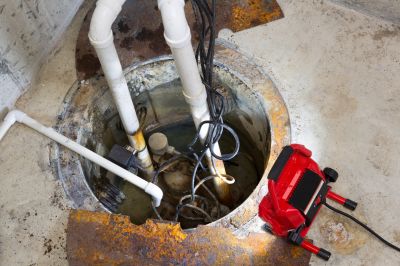
Basement Drainage Solutions
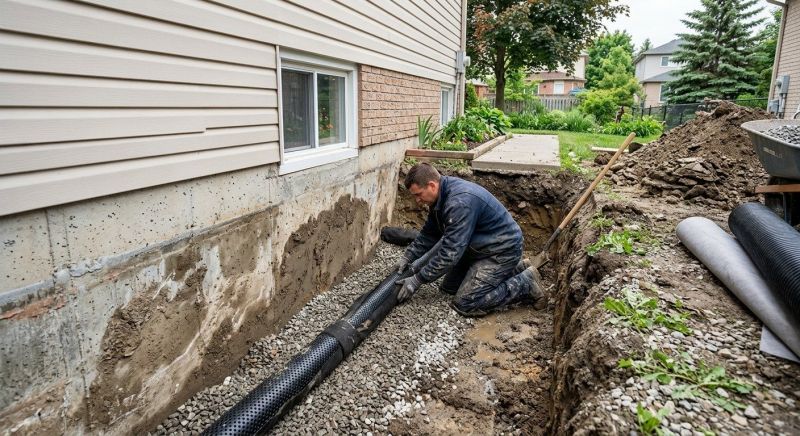
Effective drainage systems help prevent water accumulation and protect basement foundations.
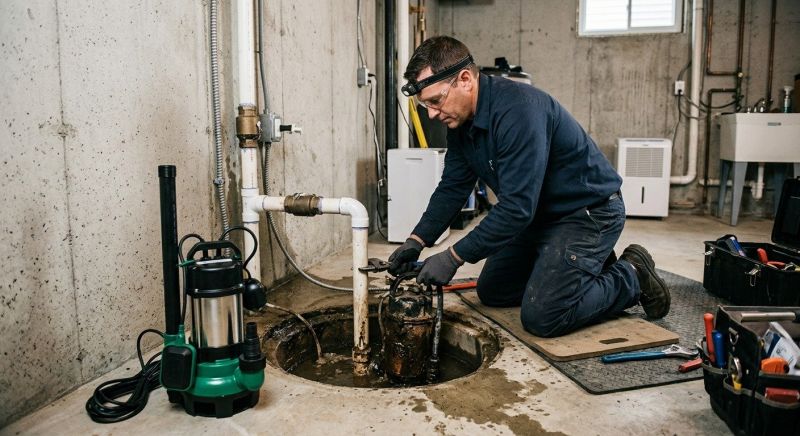
Installation And Repair
Proper installation and maintenance of drainage systems are essential for long-term basement dryness.
Signs Of Drainage Issues
Water seepage, musty odors, and uneven flooring can indicate basement drainage problems needing attention.
Basement Drainage Installation in Des Moines, IA
Basement drainage installation services focus on creating effective systems to manage excess water and prevent flooding or moisture buildup in basement areas. These projects typically involve installing drainage pipes, sump pumps, and waterproof barriers to direct water away from the foundation and interior spaces. Homeowners often seek these services when experiencing persistent dampness, signs of water intrusion, or planning a basement renovation that requires proper moisture control. Understanding the scope of the installation, including the types of drainage solutions available and how they integrate with existing structures, helps property owners make informed decisions before requesting service.
Before requesting basement drainage installation, property owners should consider the layout of their property, the source of water issues, and any existing drainage features. It’s important to evaluate the grading around the home, potential entry points for water, and the overall condition of the foundation. Clear communication about the specific concerns and desired outcomes can help ensure the installation addresses the unique needs of the property. Proper planning and understanding of the process can contribute to a more effective and long-lasting drainage solution.
Many property owners in Des Moines, IA look into Basement Drainage Installation for repairs, replacements, upgrades, and appearance-related improvements.
Common Basement Drainage Installation Jobs
Basement Drainage Systems - installation of effective drainage solutions to prevent water accumulation.
Egress Window Drainage - waterproofing around basement windows to reduce seepage risks.
Interior Drainage Channels - placement of channels to direct water away from foundation walls.
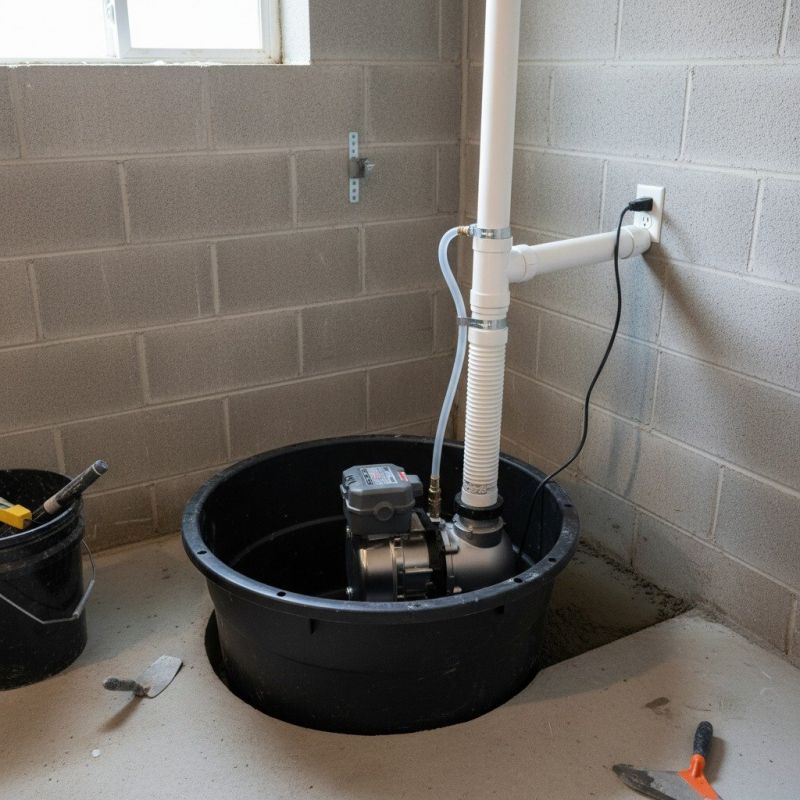
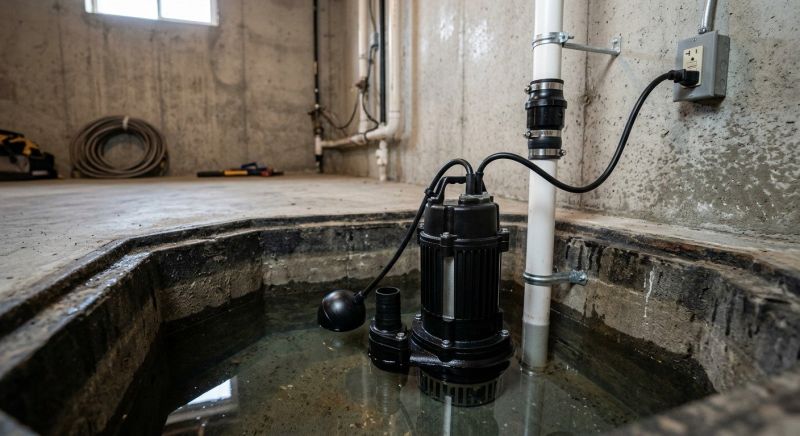
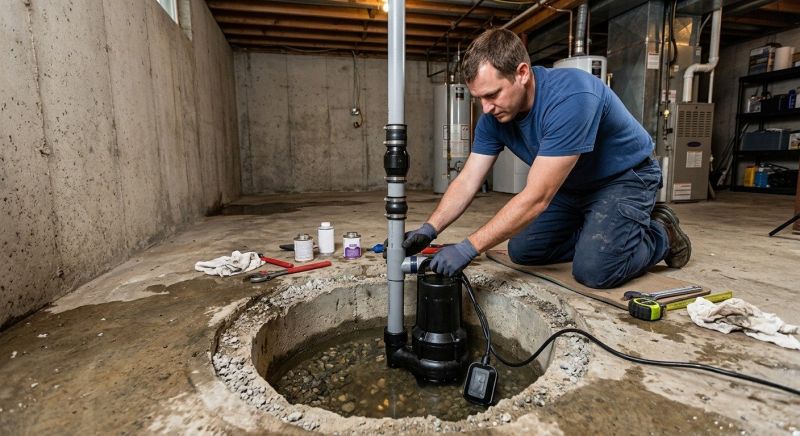
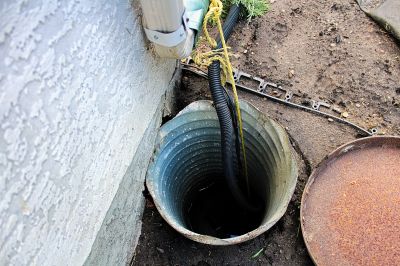
Sump Pump Installation - setting up sump pumps to remove excess water from basement areas.
Foundation Drainage - installing drainage pipes around the foundation to manage groundwater flow.
Drainage System Repairs - fixing or upgrading existing drainage to improve basement dryness.
Basement Drainage Installation Questions
What is basement drainage installation? It involves setting up systems to direct water away from the basement to prevent flooding and water damage.
Why is proper drainage important for basements? Effective drainage helps keep basements dry, reduces mold growth, and protects the foundation from water-related issues.
What types of drainage systems are commonly installed? Common options include interior drain tiles, exterior waterproofing, and sump pump systems to manage water flow.
How can I tell if my basement needs drainage improvements? Signs include persistent dampness, water stains, or musty odors, especially after heavy rain or snowmelt.
Request Basement Drainage Installation in Des Moines, IA
Use the quote form on this page to share the basics of your project and request more information for the type of work you need.